
The Lineup Code: Trust, Tradition, and the Making of a Local Surfer
In Jeffrey’s Bay, surfing is more than a sport—it’s a cultural responsibility. The lineup at Supertubes demands more than skill. It demands presence, patience, and understanding of a quiet code. For locals, learning to surf means learning how to behave in a space where trust is earned wave by wave.
Local Surf Culture Starts with Observation
Every surfer who calls J-Bay home learns by watching. The first step into the lineup doesn’t start in the water—it starts on the shore.
A young surfer sits on the dunes just above Supertubes. The board rests beside them, untouched. They don’t paddle out yet. They watch how the break moves, who takes which waves, how surfers rotate. This isn’t hesitation—it’s awareness. Local surfers begin by studying the rhythm of the ocean and the people who’ve spent years reading it.
Trust in the Lineup Grows Over Time
Earning trust at Supertubes happens slowly. There are no shortcuts. The regulars remember who showed up early, who waited their turn, and who paddled with purpose.
As the new surfer paddles out, they stay on the edge of the lineup. They don’t race for the peak. Instead, they wait. When a set rolls in, they let others go first. Over days and weeks, the others begin to notice. Respect isn’t requested—it’s recognized. Trust builds in silence.
The Lineup Operates on Unspoken Rules
There are no signs posted in the water, but the rules of Supertubes are clear to those who listen. The code isn’t written—it’s practiced.
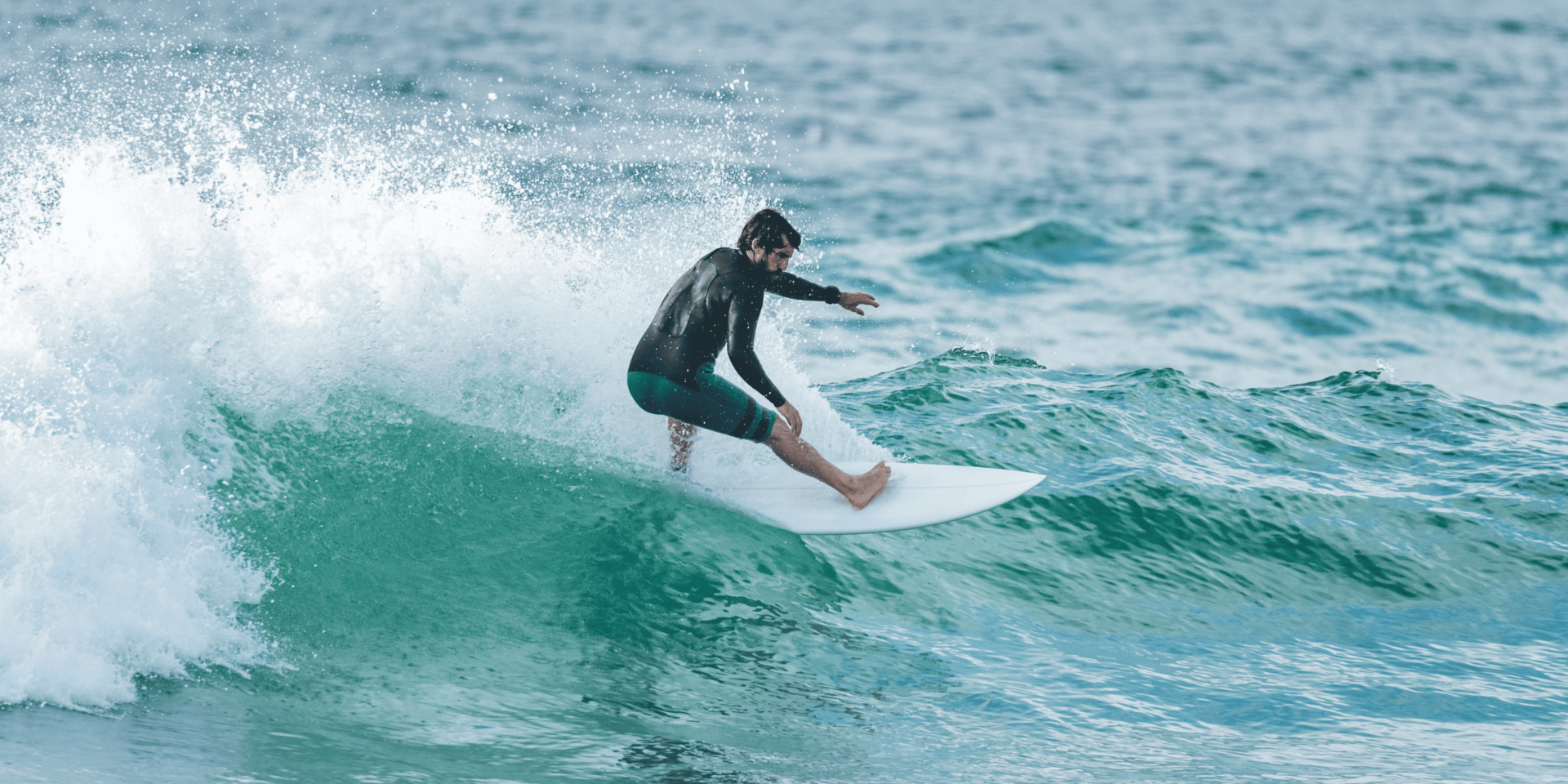
In the water, a more experienced surfer signals to the younger one. It’s subtle—a glance, a nod. The wave is theirs. The new surfer doesn’t hesitate. They paddle in, ride clean, and exit without grandstanding. The response in the water is quiet approval. These shared moments build the structure of the lineup—mutual respect enforced without a word.
Tradition Passes Through Small Acts
The local surf tradition in J-Bay survives through action, not ceremony. Mentorship happens one gesture at a time.
Before sunrise, a veteran surfer helps a teenager attach their leash. No instruction, no lecture. Just a nod and a hand. Later, in the lineup, they watch out for the kid. Not because they have to—but because someone once did the same for them. This is how tradition holds its ground. It passes from hand to hand, board to board.
Position in the Lineup Must Be Earned
No one claims a place at the peak by being loud or fast. In J-Bay, position is earned through consistency, awareness, and humility.
During a heavy session, the new surfer paddles out with confidence. They don’t interrupt the flow. They slide in when the timing makes sense. The lineup shifts naturally to include them. That shift isn’t automatic—it’s permission granted by those who’ve seen them show up day after day, without disrupting the balance.
Mistakes in the Water Require Accountability
Everyone falls, drops in, or misjudges a wave at some point. What matters in J-Bay is how a surfer responds afterward.
After an accidental drop-in, the younger surfer paddles over to the one they crossed. They don’t avoid it. They speak clearly, offering acknowledgment. The other nods. No drama follows. In the lineup, owning a mistake strengthens trust. Ignoring it fractures everything.
Local Surfers Protect the Integrity of the Break
The people who surf Supertubes daily act as its guardians. They don’t allow disrespect, and they maintain the rhythm that keeps the lineup functioning.
During a crowded session, someone paddles aggressively, skipping rotation. A local cuts them off, not to punish—but to correct. It’s a signal: the lineup has rules. Those rules protect everyone. Supertubes stays sacred because the locals keep it that way, not by shouting, but by holding the code steady.
Community Forms Through Shared Consistency
The same faces in the water, morning after morning, create something deeper than familiarity—they create community.
After the session, surfers walk back to the lot side by side. Wetsuits drip, boards squeak under arms. No one says much, but the walk matters. This pattern repeats daily. Over time, these shared movements build connection. Not all community needs conversation. In J-Bay, surfing together often says enough.
Surf Identity Is Built Through Repetition
To become a local surfer isn’t to be born in a place—it’s to return to the water, again and again, with intention and care.
Weeks pass. The young surfer now moves naturally through the lineup. They know when to wait, when to go, and when to back off. Others recognize them. A place is made. Not because they forced it—but because they earned it through presence and repetition. This is how surf identity forms in J-Bay—built over time, not bought with talent.
The Lineup Code Keeps J-Bay Strong
As tourism grows and lineups swell, the code holds. It doesn’t exclude—it educates. It teaches new surfers how to belong by first teaching them how to listen.
A fresh face paddles out. The new regular spots them, offers space, and watches. The cycle begins again. This isn’t gatekeeping—it’s guardianship. The lineup isn’t just about catching waves. It’s about protecting a culture that holds respect as high as performance.