
Raised by the Reef: Growing Up Inside Jeffrey’s Bay’s Surf Culture
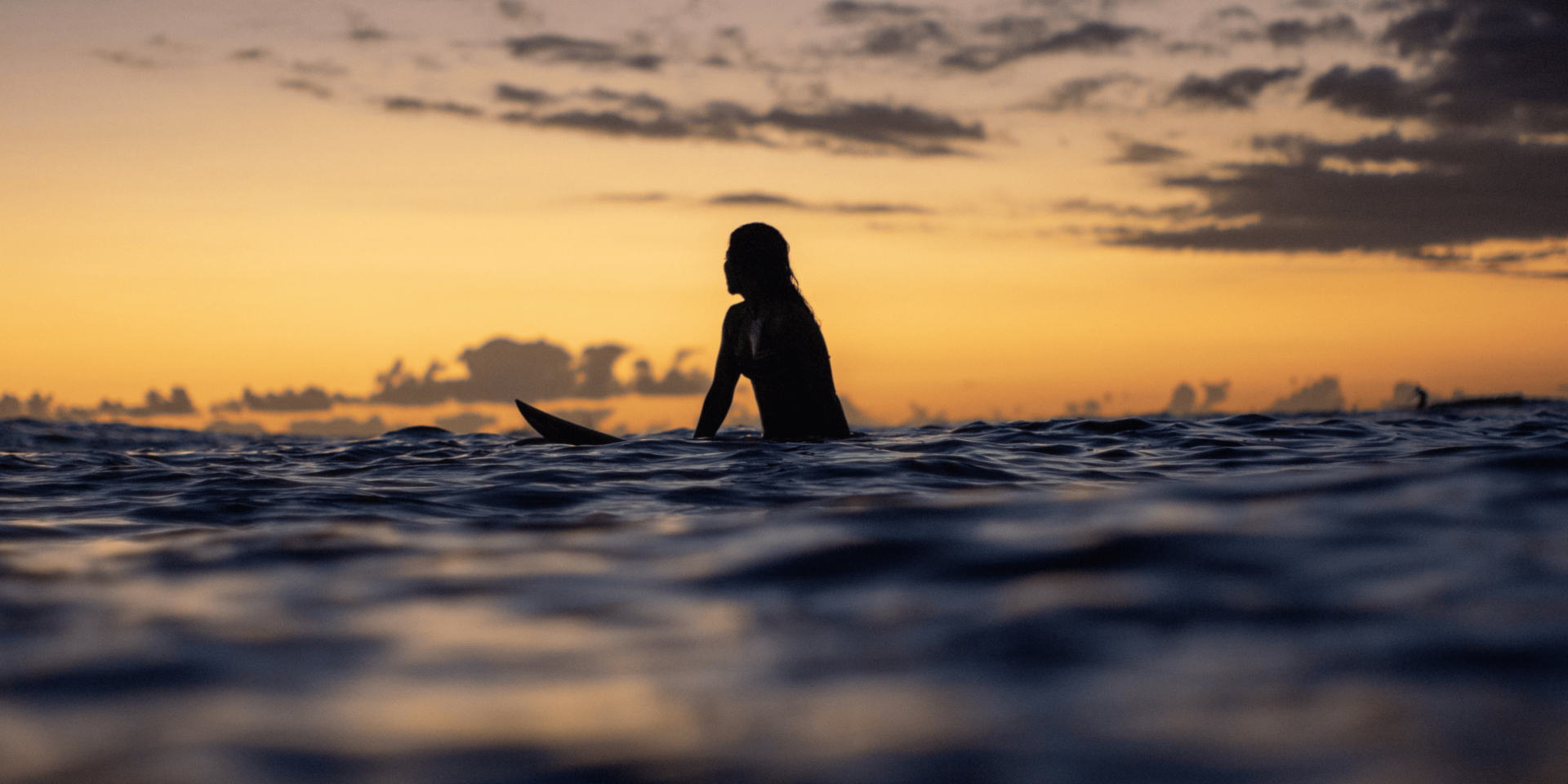
In Jeffrey’s Bay, childhood doesn’t follow the same patterns as inland towns. Here, the reef beneath Supertubes plays as much a role in shaping young lives as any classroom or field. Kids grow up tuned to the ocean’s rhythm, learning not just how to ride waves but how to read the coast, follow community rules, and carry forward a culture built on shared respect.
Surf Culture Begins at an Early Age in J-Bay
In J-Bay, children don’t just play near the ocean—they become part of it. Surf culture starts in the small details of daily life.
A child walks barefoot along the shore at dawn, board tucked awkwardly underarm, too large for their height. They pass local surfers who nod but say little. These early routines, repeated day after day, introduce the ocean as more than scenery—it becomes a second home. Their sense of direction begins with swell direction. Their social cues form from lineup etiquette. From the start, they learn to move with the water, not against it.
The Reef Becomes a Silent Teacher
Supertubes isn’t a passive place to grow up. The reef beneath the break challenges young surfers, teaching them patience, awareness, and humility.
During a mid-morning session, a wave folds faster than expected. A teenager paddles hard, catches the drop, and wipes out. They surface fast, grab their board, and look to the older surfers for a signal. There’s no shame. Everyone has been there. The reef doesn’t forgive mistakes, but it doesn’t forget effort. Young surfers who return, wave after wave, gain more than skill—they gain resilience.
Mentorship Shapes More Than Surf Technique
In J-Bay, experienced surfers watch the lineup as much as they ride it. Their guidance often comes without words, built through years of shared water.
An older surfer waits near the inside section, watching a younger rider try again. They don’t give tips or instructions—they lead by presence. When the teenager paddles too deep or too late, the elder nods subtly, then demonstrates what timing looks like. These interactions build trust across generations, shaping how youth understand not just the wave but the values behind the ride.
Community Is Built in the Water and on Land
The surf community in J-Bay doesn’t separate surf from life. It stretches from the point break into homes, schools, and streets.
Later in the day, the same surfers seen at dawn appear in town. One helps fix a fin at the surf shack. Another serves food at a family-owned café. The water connects them, but land solidifies the bond. Young surfers grow up seeing how surf culture isn’t something you leave at the beach—it’s something you carry into every part of your life.
Responsibility Comes with Earning a Spot
Growing up in the water teaches youth that respect is not assumed. It must be demonstrated in the lineup, and reinforced in daily behavior.
On a weekend afternoon, the swell builds and the lineup grows dense. A young surfer waits off to the side, eyes locked on the older crew. They know not to cut in or call for waves too soon. When their turn comes, they take it clean and return to their spot. This moment isn’t just about a ride—it’s about showing the community they understand the unspoken rules that hold the break together.
The Ocean Shapes More Than Movement
Supertubes doesn’t just teach physical skill. It teaches decision-making, emotional control, and awareness of others.
After a rough session, a young surfer sits on the sand, board beside them. They don’t look frustrated—they look thoughtful. The water didn’t reward every paddle, but it offered space to reflect. Growing up with the reef means learning how to handle uncertainty, how to hold focus in fast-moving conditions, and how to adjust without panic. These lessons extend beyond surf.
Tradition Is Preserved Through Daily Repetition
The rituals of surf life in J-Bay are passed down through action. They aren’t recorded, but they’re remembered and repeated by each generation.
Before sunrise, a father zips up his own suit before helping his child into theirs. They walk to the same reef pass he once crossed with his own parent. No speech follows—just shared motion. These repetitions keep the culture alive. They form a quiet link between past and present that grows stronger with each return to the water.
Surfing Builds a Strong Local Identity
In Jeffrey’s Bay, young surfers grow up with a clear sense of place. The reef, the break, and the people all contribute to how they define who they are.
In schoolyards, surf conditions are part of the conversation. Local break names become as familiar as street names. When asked where they’re from, a young surfer doesn’t say just “J-Bay”—they mention Supertubes, Boneyards, or Point. The ocean becomes part of their name, and the reef becomes part of how they navigate their world.
Challenges Cement the Bond to the Water
Not every session goes smoothly. But growing up in the surf means learning how to respond—not with defeat, but with return.
After a rough paddle out, a young surfer limps back across the rocks with a torn leash and sore arms. No one scolds. A friend offers a nod, a sibling hands over a backup fin. The experience teaches endurance. These challenges, faced often and early, give J-Bay’s youth more than toughness—they give them trust in themselves.
The Reef Stays with Them Long After They Leave
For those raised by the reef, Jeffrey’s Bay becomes more than a hometown. It becomes a point of reference for how life should feel—measured, grounded, and deeply connected.
Years later, a grown surfer returns after time away. The lineup has new faces. The shoreline has shifted slightly. But the reef under Supertubes hasn’t changed. They paddle out with the same rhythm, finding their place once again. The water recognizes them, and in that return, the story continues.