
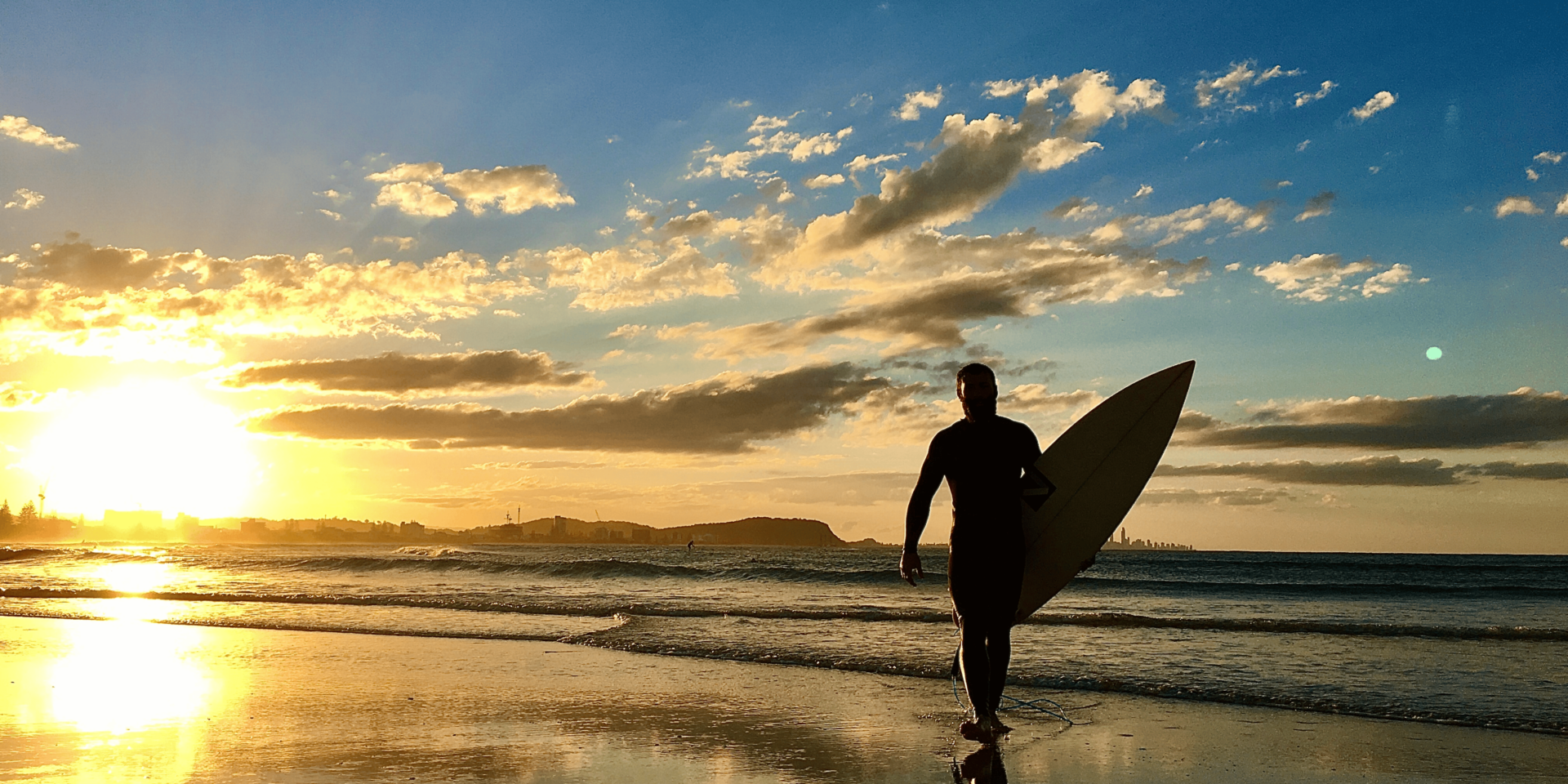
Beyond the Wave: Why J-Bay’s Heart Beats with Salt and Sand
Jeffrey’s Bay, better known as J-Bay, is often recognized for its perfect right-hand point break. But beneath the surface of Supertubes lies something deeper—an everyday rhythm shaped by tide, wind, and community. Life here moves with the water. And while surfers ride the wave, it’s the sand underfoot and salt in the air that anchor the town’s identity.
The Ocean Sets the Pace of Daily Life
In J-Bay, the sea determines the schedule. From first light to the last tide pull, the town follows the ocean’s lead.
A local wakes up and opens the window to check the wind direction. Before breakfast or school or work, the tide has already spoken. If conditions align, gear is packed, wetsuits are zipped, and the beach path fills with quiet footsteps. This pattern repeats every day. Not because it’s convenient, but because the water doesn’t wait. It calls. And the town answers.
Salt Air Shapes the Way People Connect
The salt air doesn’t just coat windows and surfboards—it connects people through shared experience. In J-Bay, the ocean is common ground.
In a beachfront café, the conversation drifts between weather shifts, reef conditions, and who wiped out hardest that morning. Strangers nod to each other because they saw one another in the lineup before dawn. Local businesses know the flow of surf traffic better than a tourist app. These subtle interactions build trust without effort. They build a town that speaks through wave timing and shoreline presence.
Community Bonds Form in the Sand
The sand holds more than footprints—it holds history. Kids learn to crawl on it, teens carry boards across it, and elders sit beside it watching the next set form.
A father watches his child drag a small board toward the water’s edge. An older surfer nods from the rocks. A neighbor joins a group collecting debris after high tide. These acts, though simple, form an ecosystem. The beach is not a dividing line between land and sea—it’s the stitching between generations, values, and roles.
Businesses Flow with the Tide
Surf shops, coffee spots, and rental shacks don’t open on fixed schedules. They open with the swell. The economy in J-Bay follows the rhythm of salt and sand.
When the waves go flat, the pace slows. When the break starts firing, energy spreads through the town. Business owners who surf will close up early for a session, then reopen with sand still on their floors. This flexibility isn’t chaos—it’s respect. The ocean gives, so the town adapts. And that adaptation sustains more than profit—it sustains loyalty.
Mentorship Begins on the Shoreline
Young surfers don’t just learn technique—they learn where to stand, when to wait, and how to read the crowd. That education begins in the sand before they ever catch a wave.
A teen watches older surfers wax boards in silence, absorbing the process. They don’t ask questions—they imitate. Local mentors guide without formal lessons. Instead, they create space, observe, and offer a nod at the right time. These interactions form the backbone of J-Bay’s culture. It’s not about speed to mastery. It’s about building trust, set by set.
The Environment Is Treated Like a Neighbor
Locals treat the reef, sand dunes, and shoreline like part of their family. They know these natural elements support the town’s way of life—and protect them in return.
After a storm shifts the coastline, community members gather without prompting. They clear debris, reset pathways, and check reef health. This isn’t organized charity. It’s habit. Because here, the sea doesn’t just provide recreation. It sets boundaries, feeds the spirit, and builds identity. Neglecting it would be like forgetting someone’s name at the dinner table.
Rituals Build the Town’s Core Values
J-Bay isn’t driven by fast change. Its strength lies in repetition. Morning paddles. Evening beach walks. Sunday wax swaps on porches.
A surfer walks home with their board under one arm and a child’s board in the other. No one calls it mentorship. No one posts about it. But the act is repeated, week after week. Over time, these rituals define what it means to be part of this place. They teach younger generations that consistency—more than speed or fame—is what gives J-Bay its pulse.
The Break Holds More Than Just Waves
Supertubes may bring the crowds, but for locals, it holds something deeper. It holds memory. It holds rules. It holds belonging.
A familiar lineup forms just after sunrise. Each surfer knows their place, and they move with awareness. A wrong move doesn’t spark chaos—it prompts a shift, a signal, and realignment. These patterns were learned through observation, and they’re passed down in silence. The wave holds the town together because it requires everyone to play their part.
J-Bay Endures by Holding Its Own Rhythm
While outside trends chase novelty, J-Bay holds steady. Its power doesn’t come from expansion—it comes from staying connected to salt, sand, and shared pace.
A visitor might notice how slowly things move. But over time, they see it’s not slow—it’s deliberate. The town breathes with the sea. Its strength comes from its refusal to rush. And that strength, reinforced by daily rituals and collective care, ensures that even as the world changes, J-Bay remains grounded.